solution
Embodied AI robots
empowering life and
health
—— // Industry Insights
Manufacturing is moving from rigid automation to flexible intelligence. High-mix, low-volume production demands frequent changeovers; "3D jobs" (dirty, dangerous, demanding) are increasingly hard to fill; precision assembly lacks consistency; and quality inspection still relies on manual visual checks — traditional production lines can no longer support flexible, round-the-clock, high-efficiency manufacturing.
—— // Key Advantages
High precision + fine force control
High-precision joint modules and precision ball-screw transmission, plus 0.01 N·m-level force feedback from torque sensors, ensure accurate and stable operation.
Personalized rehabilitation
Controllers generate personalized training plans with dynamic adjustment, while training data is visualized and progress is quantifiable.
Safety & care
3D vision detects falls and abnormal behaviors with timely alerts, and multimodal companion interaction improves the care experience.
Compliance-oriented selection
We work with original manufacturers to provide compliance assessment and selection support related to medical device registration and clinical access.
—— // Application Scenarios
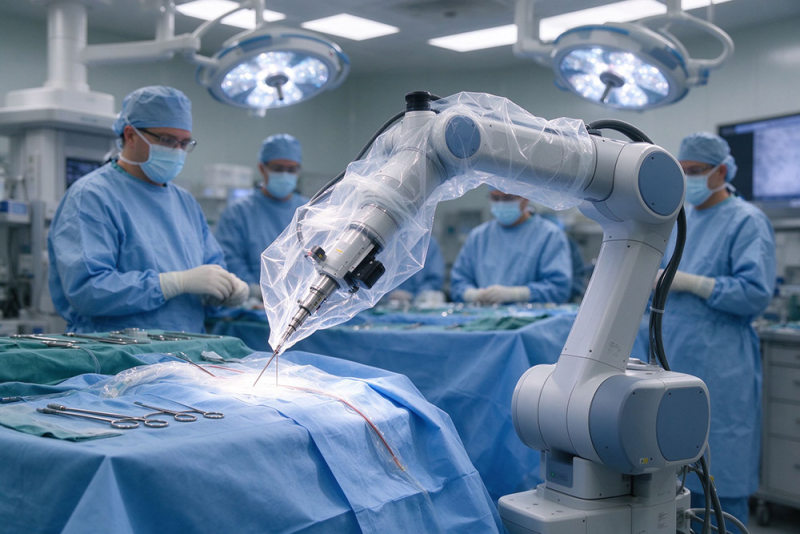
Surgical assistance
Stable instrument holding and precise positioning, force-controlled assistance for minimally invasive procedures, and 3D positioning navigation — assisting surgeons without replacing clinical decision-making.
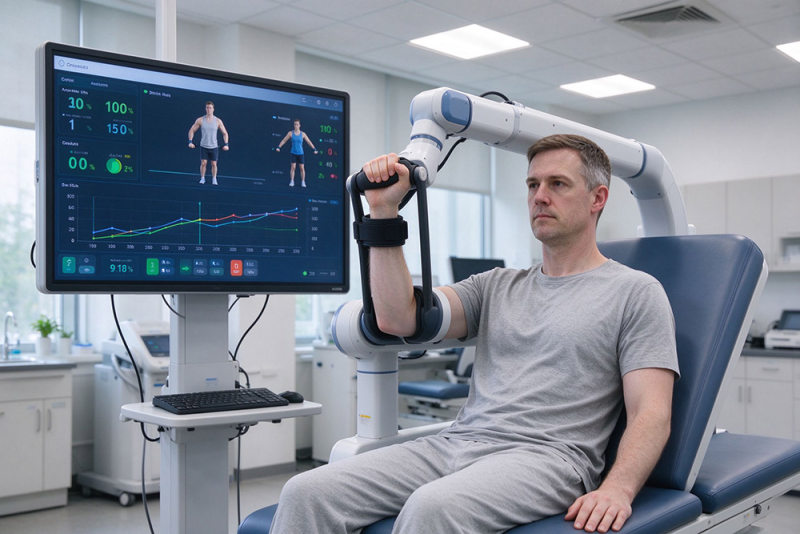
Rehabilitation training
Smart training mechanisms with adjustable assistance/resistance, real-time force-data capture, and quantifiable, trackable rehabilitation progress.
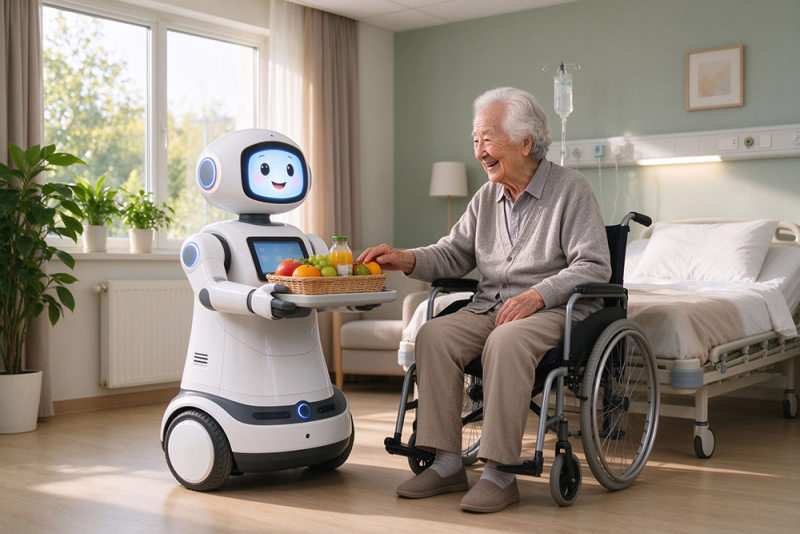
Intelligent care
Material delivery and companion interaction, with timely alerts on falls and abnormal behaviors, easing the burden on caregivers.
// Solution Value
Eases the rehabilitation and care workforce gap, makes rehabilitation quantifiable, and makes care safer and more caring.